Recognising spinal injury symptoms

While some spinal injuries cause temporary pain and discomfort, others can be life-changing and require long-term rehabilitation and care. If you’re involved in an accident and experience spinal injury symptoms such as weakness, numbness, loss of sensation, or changes to bladder or bowel control, you should seek urgent medical advice.
In this article, we cover:
- Common spinal injury symptoms
- Emergency signs of spinal injury
- Spinal nerve damage symptoms
- Complete and incomplete spinal cord injuries
- Tetraplegia and paraplegia symptoms
- Other spinal injuries to be aware of
- Spinal injury treatment and rehabilitation
- When compensation may be available following an accident
What symptoms might suggest a spine injury?
Spinal injuries can present in many different ways depending on the location and severity of the damage. In some cases, symptoms of a spinal cord injury appear immediately after an accident, while others may develop gradually over time.
If you’ve been involved in an accident or significant fall, possible spine injury symptoms can include:
- Pain in the neck, back, or head
- Numbness or loss of sensation in your hands, fingers, feet, or toes
- Weakness in any part of the body
- Problems with balance or coordination
- Difficulty breathing or shortness of breath
- Muscle spasms, stiffness, or involuntary movements
- Tingling or burning sensations
- Bruising or swelling around the impact site
- Changes in bladder or bowel control
Not every back or neck injury damages the spinal cord. However, symptoms such as weakness, altered sensation, or loss of function after significant trauma should always be taken seriously. You should seek medical advice after any significant impact to your back, neck, or head.
Key information
Facts and highlights
- Different symptoms depending on the type and severity of the damage.
- Seek advice as mild symptoms can quickly get worse.
- Complete injuries are the most severe type of spinal injury.
Spinal nerve damage symptoms
Damage to the spinal cord or spinal nerves can interfere with the messages travelling between the brain and the rest of the body. Spinal nerve damage symptoms can include:
- Tingling or pins and needles
- Numbness
- Burning or nerve pain
- Muscle weakness
- Reduced coordination
- Changes in sensation
- Loss of movement or function in more serious cases
Where these symptoms develop after trauma to the head, neck, or back, urgent medical assessment may be needed.
Emergency spinal injury symptoms
After a serious accident, some spinal cord injury symptoms require immediate medical attention. Call 999 or seek emergency help if someone develops symptoms such as:
- Twisted neck or back: Look for unnatural head or spine positions, including a misalignment in the spine’s shape.
- Extreme head, neck, or back pain or pressure: This type of pain may worsen when you move or if pressure is applied to the location of the injury.
- Weakness or loss of movement: Sudden weakness, paralysis, or difficulty moving the arms or legs following injury requires urgent assessment.
- Difficulty breathing: You may be short of breath, have difficulty catching your breath, or feel like you can’t breathe deeply. You may also find it hard to cough and clear secretions.
- Lack of coordination: This may include feeling unsteady, an unusual gait (style of walking), reflex movements you can’t control, sudden clumsiness, and restricted movement in certain parts of your body.
- Changes in bladder or bowel control: This is when you don’t feel in charge of toiletry functions, similar to incontinence or retention.
- Bruising and swelling: You can see this in the area surrounding the impact, but there may also be internal bruising that you can’t see.
- Numbness, loss of feeling, or tingling: You’re most likely to feel this in your hands, feet and anywhere below the level of the injury. Some people may experience a burning sensation too.
Do not try to move someone unnecessarily if a serious spinal injury is suspected, unless there is an immediate danger. Emergency services can assess and protect the spine appropriately.
Some of these symptoms may not appear straight away. They can, however, develop quickly or gradually in the time following your accident. You increase your chances of a fuller recovery when a doctor or consultant sees you.
Types of spinal injuries
Spinal injuries can affect the bones, discs, ligaments, nerves, or spinal cord itself. An injury to the spine does not always mean the spinal cord has been damaged. Where the cord is affected, the consequences can include changes to movement, sensation, and functions such as bladder, bowel, or breathing control.
The severity of a spinal cord injury is often described as complete or incomplete. Understanding the main types of spinal injuries is key for recognising how serious your injury might be and can help determine what kind of spinal injury treatment you may need.
A complete spinal injury means there is no preserved sensory or motor function in the lowest sacral segments of the spinal cord. This can result in a profound loss of movement and sensation below the level of injury. It is the most severe type of spinal injury. A complete spinal injury does not necessarily mean that the spinal cord has been physically severed. The effects generally become more extensive the higher the injury occurs in the spinal cord.
With an incomplete spinal cord injury, some sensory or motor function remains below the level of injury. The amount of movement and sensation retained can vary considerably from one person to another. Often, the brain can still communicate with different parts of the body, but not as well as before the accident.
Medical professionals commonly use the ASIA Impairment Scale (AIS) when assessing spinal cord injury:
- AIS A: Complete injury
- AIS B: Sensory incomplete injury
- AIS C: Motor incomplete injury where much of the preserved muscle strength remains relatively weak
- AIS D: Motor incomplete injury with greater preserved muscle strength
- AIS E: Tested motor and sensory function has returned to normal following a previous spinal cord injury
Possible symptoms of an incomplete injury can include:
- Numbness
- Pain
- Breathing difficulties
- Impaired control
- Weakness


Why your spine is so important
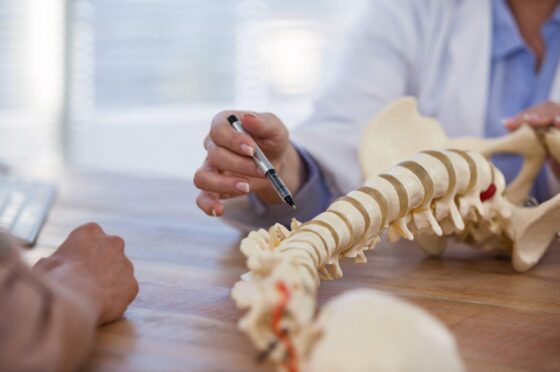
Your spine has two parts – the vertebral column and the spinal cord.
The vertebral column comprises 33 bones (vertebrae) that provide stability, support, and flexibility while also protecting the spinal cord.
The spinal cord is a bundle of nervous tissue that carries messages between the brain and the rest of the body. These messages help control movement, sensation, and functions including bladder and bowel control.
Because these signals travel through the spinal cord, spine damage can affect movement and sensation below the level of the injury.
Spinal cord injury outcomes
The effects of a spinal cord injury depend largely on where along the spine the damage occurs and how severe it is. Injuries higher up the spinal column often cause greater loss of movement and sensation, while those lower down may affect specific parts of the body.
Two of the most common long-term outcomes of spinal cord damage are tetraplegia and paraplegia, each with distinct symptoms and life impacts.
Tetraplegia
Tetraplegia, also known as quadriplegia, is paralysis in all four of your limbs that affects movement or sensation and can also affect the trunk. It is associated with damage to the cervical, or neck, region of the spinal cord. The damage occurs typically in the cervical part of the spine between vertebrae C1 and C7.
The degree of impairment varies depending on the level and completeness of the injury, so tetraplegia should not automatically be described as irreversible.
While common spinal injury symptoms may be present with this condition, there are some specific tetraplegia symptoms to look out for as well. These include:
- Weakness or paralysis affecting all four limbs
- Reduced or absent sensation
- Bladder or bowel difficulties
- Problems coughing or clearing secretions
- Digestion difficulties
- Lack of sensation
- Limb deterioration
- Muscle spasms
- Nerve pain
- Sexual dysfunction
- Shortness of breath
Worldwide, the most common causes of spinal cord injury, some of which may result in tetraplegia, are falls, road traffic incidents and violence. Tetraplegia can also occur in babies during childbirth if there is a poor oxygen supply.
Paraplegia
Paraplegia affects movement and/or sensation in the lower half of your body, usually following injury to the thoracic, lumbar, or sacral region of the spinal cord.
Unlike tetraplegia, it does not normally affect the arms. The exact effects depend on the level and severity of the spinal cord injury. Some people may retain partial movement or sensation, particularly where the injury is incomplete.
Like tetraplegia, general spinal injury symptoms may be present after an injury. Specific paraplegia symptoms to keep an eye out for include:
- Weakness or paralysis in the legs
- Autonomic dysreflexia (increase in blood pressure below the area of the injury as a reflex response)
- Neuropathic or chronic pain (including phantom pain in the lower body)
- Lack or loss of sensation in the lower parts of your body (and phantom sensations in the lower body)
- Sexual dysfunction
- Muscle spasms
- Bladder or bowel difficulties
- Problems with mobility and balance
- Weight gain
Although the most common cause of paraplegia is accidents, it may also be brought on by spine or brain tumours or lesions, multiple sclerosis, and other autoimmune conditions, and neurological events like cerebral palsy and strokes. Autonomic dysreflexia can also occur in some people with spinal cord injuries, particularly at or above T6, and requires urgent medical attention.
Other spinal injuries to be aware of
Not every spinal injury involves direct damage to the spinal cord. Other common conditions and spinal injuries include:
- Herniated discs: Herniated discs occur when the discs separating the vertebrae push out the exterior casing that holds them in. Signs to watch out for include numbness, tingling, general weakness, and pain in the legs and arms.
- Compression fractures: This is when one or more of your vertebrae suffer a fracture, just like a broken bone. Back pain and hunched postures are the most visible symptoms, although you may experience numbness and difficulty in walking.
- Spinal stenosis: This is when the foramen protecting your spinal cord become narrower, compressing the cord. Stenosis symptoms include sciatica-like burning pains, weakness in one foot, back pain, and weakness in the legs.
- Spinal cord contusions: This bruising of the spinal cord is common among sportspeople. It can result in weakness in your legs, arms and other extremities. Other symptoms include numbness and tingling.
- Cauda equina syndrome: Cauda equina syndrome occurs when the bundle of nerves at the lower end of the spinal cord become compressed. Symptoms can include numbness around the genitals, buttocks, or anus, loss of bowel control, changes in sexual function, severe or worsening weakness or numbness in both legs, and difficulty starting or controlling urination. These symptoms require immediate assessment in A&E.
How are spinal injuries treated?
Spinal injury treatment depends on the type, location, and severity of the injury. In the immediate aftermath of serious trauma, treatment may involve protecting the spine, imaging, and neurological assessment before specialists decide whether surgery or other treatment is required.
For people with spinal cord injury, longer-term treatment and rehabilitation can involve:
- Physiotherapy
- Occupational therapy
- Pain management
- Support with bladder and bowel function
- Respiratory support where necessary
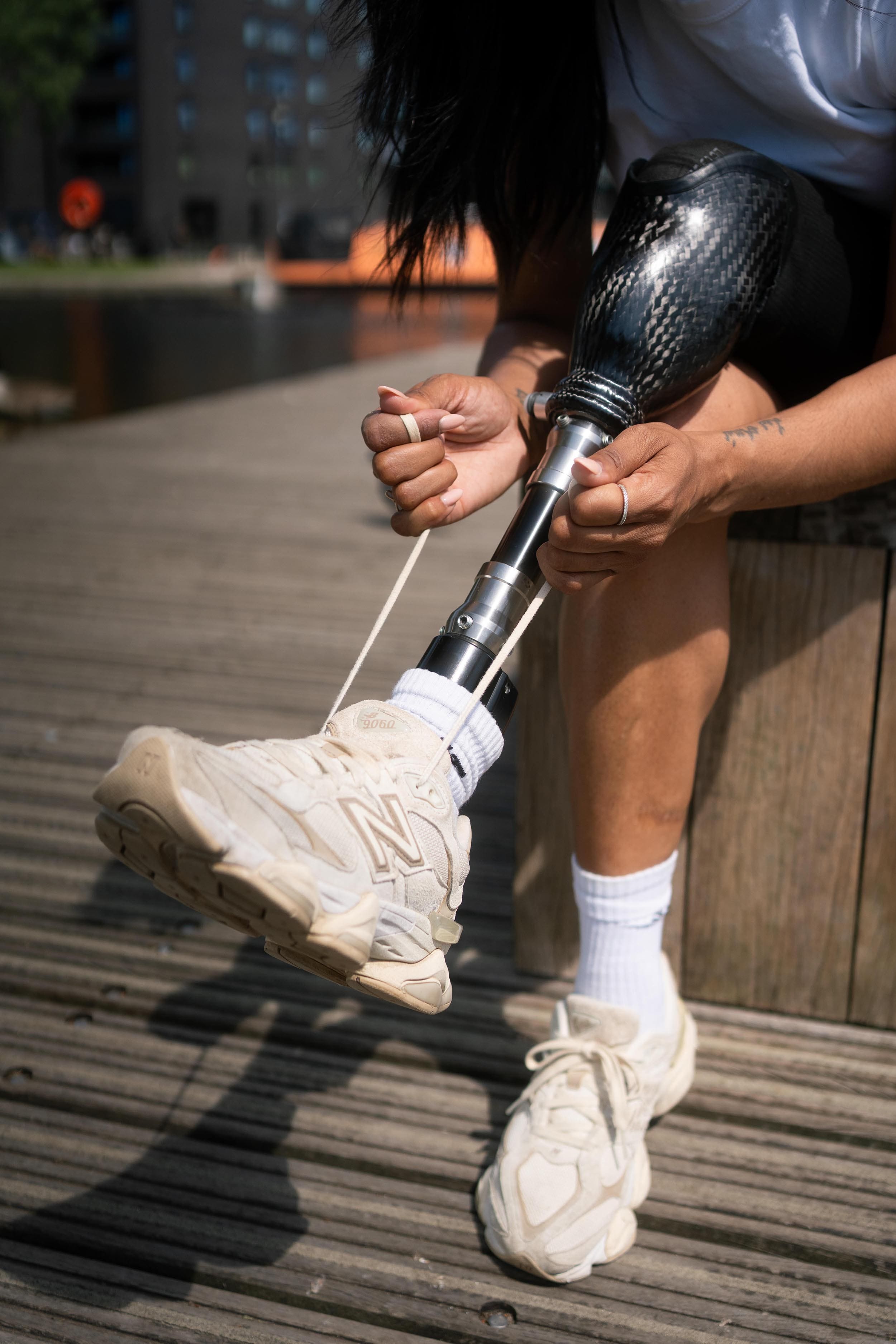
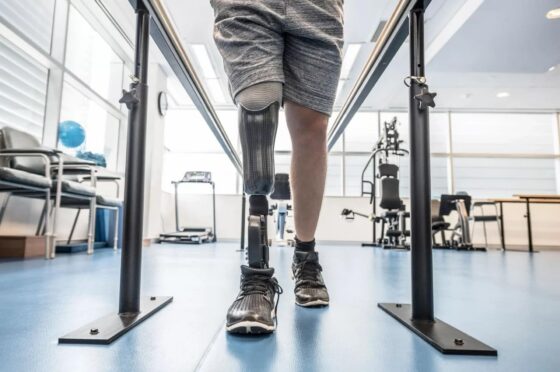
- Mobility equipment and assistive technology
- Psychological support
- Specialist spinal cord injury rehabilitation
The rehabilitation plan should be tailored to the person’s individual needs and level of injury.
Can you claim for a spinal injury?
If a spinal injury was caused by someone else’s negligence, you may be able to claim compensation. This could include an injury caused by a road traffic collision, an accident at work, or another situation where someone else owed you a duty of care.
Compensation can take account of the injury itself as well as financial consequences such as lost earnings, rehabilitation, care, and future support. Our solicitors have represented clients for over 30 years on a no-win, no-fee basis.
Contact Fletchers to start your spinal injury claim
If you think you may have a claim for a spinal injury, we’re here to help. You’ll find our team friendly, approachable, and professional. Please get in touch with our spinal injury claims team today to find out more.
Frequently asked questions
Can you recover from a spinal cord injury?
Recovery from a spinal cord injury depends on the location and severity of the damage and whether the injury is complete or incomplete.
Incomplete injuries often allow for some level of recovery, as the brain can still send signals through the spinal cord, even if they are weaker than before. With specialist treatment, physio, and ongoing rehabilitation, many people regain movement, sensation, or function over time.
How long does it take to recover from a spinal cord injury?
There is no standard recovery time after a spinal cord injury; it depends on the type and severity of the injury. Some people begin to regain sensation or movement within weeks, while others may need months or years of intensive treatment. Complete spinal injuries often lead to permanent loss of function.
What kind of rehabilitation is available after a spinal cord injury?
Rehabilitation after a spinal injury may include physiotherapy, occupational therapy, pain management, and psychological support. Depending on your needs, you might also work with a rehabilitation consultant, mobility specialist, or spinal injury nurse to help you regain as much independence as possible.
Our awards
-

THE TIMES BEST LAW FIRM
-
CHAMBERS TOP RANKED LAW FIRM
-
LEGAL 500 TOP TIER FIRM
-
ARMED FORCES COVENANT
-
AVMA - LAWYERS’ SERVICE MEMBER
-
HEADWAY ACCREDITED SOLICITORS
-
SIA - TRUSTED LEGAL PARTNER
-
CBIT - TRUSTED LEGAL PARTNER










Start your claim with confidence
Not sure where to start? We’ll listen, guide you, and give clear, honest advice on what to do next.