Vision Zero explained: The UK’s ambition for safer roads

Road deaths and life-changing injuries aren't inevitable. Vision Zero is a road safety approach being adopted by towns, cities and regions across the UK, with the aim of preventing fatal and serious road collisions. This guide explains what Vision Zero means, how it works and why it matters.
What this guide covers:
- What Vision Zero is and where it came from
- How Vision Zero is being adopted across the UK
- How Vision Zero is being put into practice in Greater Manchester and beyond
- Our stance on Vision Zero
- Your legal options after a road traffic collision
What is Vision Zero?
Vision Zero is a road safety strategy based on a concept used in air and rail transport and can be summarised as “No loss of life is acceptable.” First launched in Sweden in 1994, Vision Zero became law in the country in 1997, setting a target for no deaths or serious injuries on Sweden’s roads.
The Netherlands launched a similar approach in 1995, focusing more heavily on public information and education over compliance. In the UK, several authorities have launched their own version of Vision Zero, reflecting a growing commitment to preventing road deaths and serious injuries in the long term. (Brake)
Key information
Facts and highlights
- Vision Zero No loss of life is acceptable
- Road safety Shared responsibility across society
- Everyone has a role in making roads safer
How Vision Zero is being adopted across the UK
Local and regional authorities across the UK have adopted Vision Zero principles, with many setting ambitious targets to reduce or eliminate road deaths and serious injuries.
An example of a vision zero strategy in practice:
Greater Manchester’s Vision Zero Strategy is one example of how these principles are being put into practice at a local level. Announced in 2024, Greater Manchester’s Vision Zero Strategy outlines plans to improve road safety across the region, with the ultimate aim of eliminating road death and life-changing injury by 2040.
Road Safety in the Greater Manchester area is a significant concern. At the launch of the region’s Vision Zero Strategy, it was reported that almost 10,000 people had been killed or seriously injured on the region’s roads in the previous decade.
Greater Manchester’s Vision Zero Strategy and Action Plan was developed by the Safer Roads Greater Manchester Partnership (SRGM), which comprises organisations including local authorities, Greater Manchester Police (GMP), Transport for Greater Manchester (TfGM), and other partners.
Fletchers’ Police Liaison Coordinator, Adam Rigby, attended Brake’s After The Crash conference in June 2026. The conference provides a platform for practitioners to learn from victims’ experience, explore best practice in road victim care, and strengthen partnerships across agencies involved in prevention, investigation and recovery. In supporting the Vision Zero 2040 ambition, the event reinforces the principle that every road death and serious injury is preventable.
Adam commented:
“The event was very impactful, listening to the personal experiences of those that have been bereaved left me in no doubt that Vision Zero can be the only goal and we all have our part to play. The seemingly harmless actions people make each day on the roads can lead to real harm and lifelong consequences for all those involved.”
How does Vision Zero work?
Vision Zero is rooted in the Safe System approach, based on the concept that our life and health shouldn’t be put at risk by the need to travel.
According to road safety charity, Brake the Safe System approach is based on two facts:
- People make mistakes, and errors will be made when using the road
- People are physically vulnerable and can be killed or seriously injured if involved in a road collision.
Brake explains the five core areas of the Safe System approach:
1. Safe roads
Under the Safe System approach, roads are designed to reduce the chance of a crash and reduce the severity of injuries if a collision occurs. Features include segregating road users, simple and consistent road design, and speed limits to protect vulnerable road users (pedestrians, cyclists, motorcyclists and horse riders) where segregation isn’t possible.
2. Safe speeds
With this road safety pillar, appropriate speed limits are set to help avoid collisions and reduce the chance of serious injury. In addition, Communities and police work together to enforce speed limits.
3. Safe vehicles
This looks at the built-in safety features of vehicles on the road. Features that can help prevent collisions or improve survivability in the case of a crash include collision avoidance systems, automatic braking systems, airbags and speed limiters. Under this pillar, roadworthiness is also prioritised, with road users encouraged to buy safer vehicles and maintain them to the highest safety standards.
4. Safe road users
Compliance with the rules of the road is a key focus under a Safe System approach, as well as the understanding that road safety is a shared responsibility. Traffic reduction is prioritised via local authorities encouraging safer ways to travel. Road safety education is promoted both in school, and through public campaigns, and drivers who do not follow rules are required to undertake further education.
5. Post-crash care
The final pillar of the Safe System approach relates to increasing the chance of survival after a road collision, limiting the severity of injury and prioritising recovery for survivors. This is achieved with effective and timely emergency response, supported by appropriate long-term care and support.
What actions are being taken?
Authorities across the UK are taking different approaches to support Vision Zero.
Greater Manchester is one of several regions to embrace the Vision Zero approach, providing a practical example of how the strategy can be implemented.
Funding: The Vision Zero Innovation Fund was announced in November 2024, was set aside £ 1million to support the initiative. The fund is available to those in the SRGM Partnership and supports engineering, education, training, publicity and enforcement projects that contribute to achieving Vision Zero.
Speed limit reduction: Manchester City Council reduced the speed limit from 40 to 30mph on eight roads across the city, citing Vision Zero as one of the motivators for the move.
Operation Snap: To improve road safety in Greater Manchester and support the region’s Vision Zero initiative, Operation Snap is an online portal run by Greater Manchester Police, report dangerous driving. Footage can also support a personal injury claim. If you have it, keep the original file.
Improved infrastructure: Progress has already been made across the Bee Network, and by the end of 2026, TfGM aim to reach 176km of accessible and easy-to-use walking, wheeling and cycling infrastructure.
School Streets: Greater Manchester now has School Streets, with restrictions on traffic during school pick up and drop off times, making it safer for children to walk, cycle or scoot to and from school.
Women’s safety: Among the work being done on Vision Zero, women across Greater Manchester are being asked to share their experiences of travel and road safety. The research will be used to shape future policies and support a more inclusive transport network.
How can the public support Vision Zero?
There are several ways to support the Vision Zero target. For example:
- Stick to speed limits
- Report dangerous driving through local police reporting schemes, such as Operation Snap where available.
- Respond to consultations
- Keep dashcam footage
In Greater Manchester’s Vision Zero Strategy,, the SRGM explains how they will “work with the public to increase awareness of their responsibility for their own welfare and that of others”, emphasising that “the public are an essential partner” in the journey to Vision Zero.
A worldwide commitment to road safety
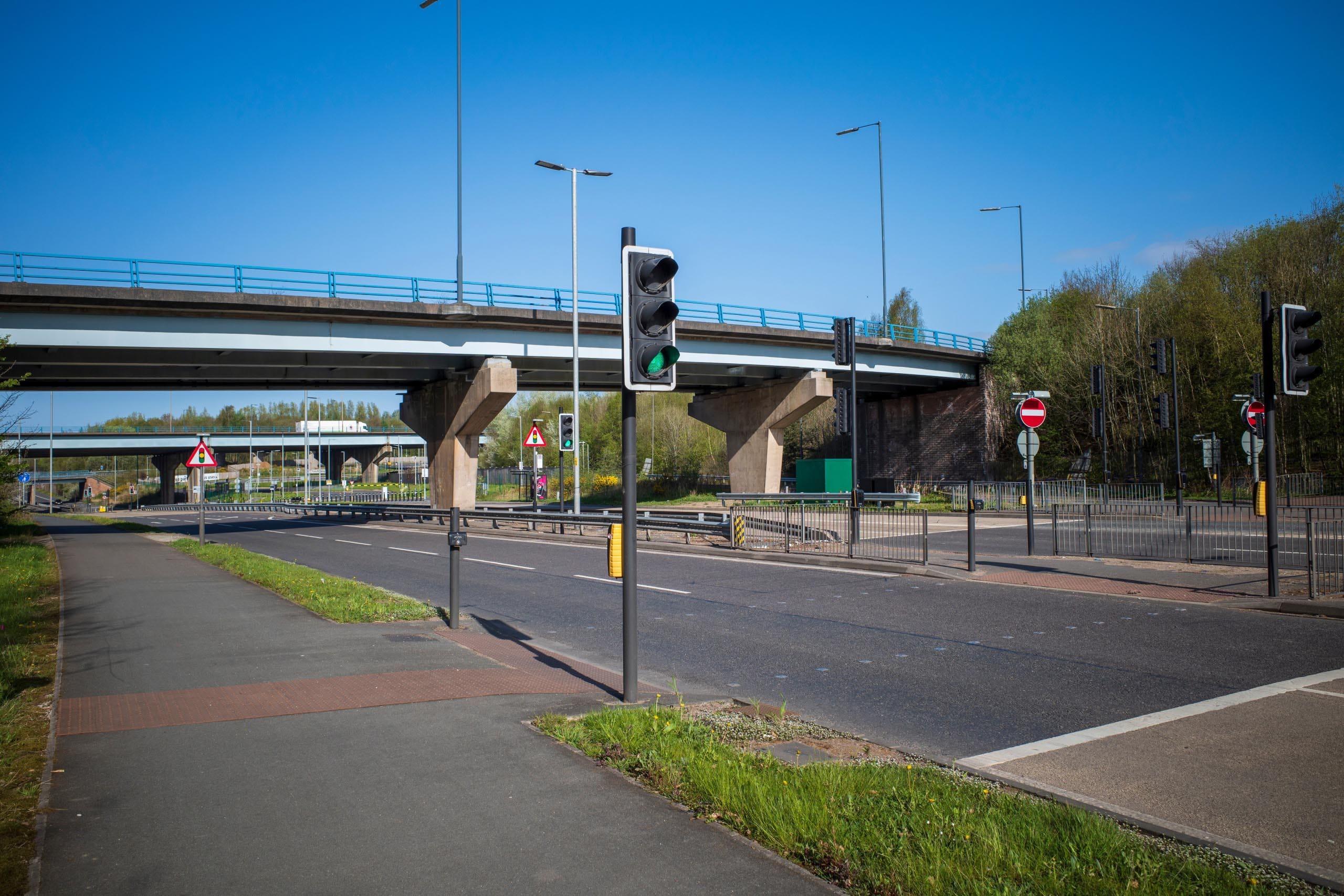
While some may be sceptical about the ambitious target of Vision Zero, the approach has proved successful in cities and countries around the world. Helsinki, for example, achieved zero traffic deaths in a year, while Hoboken in New Jersey recorded no traffic-related deaths for eight years in a row.
Achieving zero road deaths and serious injuries is undoubtedly challenging and requires more than short-term changes. Vision Zero is a long-term commitment to road safety that requires changes in road user behaviour, investment in safer infrastructure and a wider cultural shift in how road safety is viewed. While progress won’t happen overnight, examples from around the world show that meaningful improvements are possible over time.
We all have our part to play when it comes to prevention, think of the little things you do each day when using the road network
What needs to happen to reduce road deaths?
At Fletchers, we see the consequences of road traffic collisions every day. We see the recurring patterns in serious injury cases, the common factors that contribute to fatal collisions, and the points at which road safety systems can fail to protect people.
The Safe System approach has achieved success worldwide and is considered best practice in road safety by the World Health Organisation. It’s clear that reducing road deaths requires a commitment to this approach, prioritising investment in safer infrastructure, ongoing enforcement, education and awareness, alongside technology-driven safety measures and improved post-crash treatment and care.
What the law says about road safety
Vision Zero sets the goal. The law sets the standard. Every driver, rider and cyclist owes a duty of care to other people on the road. That means taking reasonable care to avoid causing harm.
If someone falls short of that standard, for example by speeding or using a phone, and another person is injured as a result, they can claim compensation. Our specialists look at three questions:
- Did the other road user owe you a duty of care?
- Did they fall below the standard of a reasonable driver?
- Did that cause your injuries?
The Highway Code also sets out a hierarchy of road users. The people who can cause the most harm, such as lorry and van drivers, carry the most responsibility for the safety of others.
Our stance on road safety and Vision Zero
We back Vision Zero. Every road death and life-changing injury is preventable, and we see the cost of each one.
We believe preventing serious and fatal collisions must remain a priority. While serious road traffic collisions continue to occur, Vision Zero initiatives being adopted across the UK are an important step towards creating safer roads and protecting all road users. We support continued action to reduce road deaths and life-changing injuries and make the ambition of Vision Zero a reality.
Fletchers’ Police Liaison Coordinator, Adam Rigby, adds:
“We all have our part to play when it comes to prevention, think of the little things you do each day when using the road network, if you’re driving, do you need to answer that call, even on hands free? could that be one distraction too far.
If you’re walking or cycling and have earphones in do they need to be on noise cancelling? Simply hearing what’s happening around you may help you make a decision that saves your life. No family wants the empty seat at the table and nobody wants to be responsible for that empty seat.”
How our work supports safer roads
When road traffic collisions do happen, legal action plays an important role, not just in recovering compensation for those directly affected, but in highlighting systemic failures, establishing accountability and, where possible, helping to prevent similar collisions from occurring.
We have handled some of the most complex serious injury, fatal accident and road traffic collision claims, helping clients access the support they need while seeking answers and accountability. Through this work, we also seek to highlight road safety issues and support improvements that could help protect road users.
As well as attending June’s After The Crash event by Brake and Road Safety GBs Mature Drivers Conference, we’re partnered with road safety charities including Brake and Aftermath, and we work closely with charities and initiatives such as Road Victims Trust, Frankie & Neeve’s Road Safety Academy and The Bobby Colleran Trust. We also work alongside specialist public bodies and other stakeholders, to promote road safety.
We also recognise that recovery extends far beyond the legal process. Our holistic approach prioritises post-collision care, providing seriously injured clients with access to rehabilitation and the resources they need to rebuild their lives. Speak to our team to find out how we can support your family after a road traffic collision.
When tragedy happens: understanding your legal options
We know compensation may be the last thing on your mind. When you’re ready, our specialists will explain your options and take on the legal work, so you can focus on your family.
A fatal road collision claim can be brought when someone has died because of another person’s negligence. It can cover:
- Income and financial support the person would have provided
- Practical help they gave, such as childcare or care at home
- Funeral costs
Some close relatives can also claim a statutory bereavement award of £15,120. We’ll check who is eligible in your family. We can handle fatal collision claims on a no win no fee basis.
Listening to the personal experiences of those that have been bereaved left me in no doubt that Vision Zero can be the only goal and we all have our part to play.
Final thoughts: a shared responsibility
At its core, Vision Zero recognises that making our roads safer is a shared responsibility. Achieving this ambition will require authorities, organisations, road users and communities to work together, prioritising prevention through improved infrastructure, education, enforcement and post-crash care. While different regions have adopted different targets and timelines, the principle remains the same: no death or life-changing injury on the roads should be considered inevitable.
However, while preventing collisions must remain the ultimate goal, it’s important to recognise that when things go wrong, those affected need the right support. They need timely emergency care, access to rehabilitation and ongoing support.
Vision Zero is not just about preventing tragedy; it’s also about ensuring that no one is left to face the consequences of a road traffic collision alone. If you or a family member has been affected by a serious road traffic collision, learn more about the support available.


A national team, here when you need us
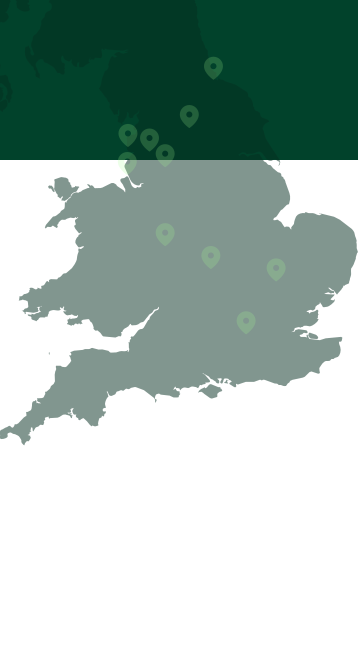
With offices across the UK, we’re never too far away, helping people access specialist advice and support wherever they are.
You're in safe hands
-

THE TIMES BEST LAW FIRM
-
CHAMBERS TOP RANKED LAW FIRM
-
LEGAL 500 TOP TIER FIRM
-
ARMED FORCES COVENANT
-
AVMA - LAWYERS’ SERVICE MEMBER
-
HEADWAY ACCREDITED SOLICITORS
-
SIA - TRUSTED LEGAL PARTNER
-
CBIT - TRUSTED LEGAL PARTNER







Start your claim with confidence
Not sure where to start? We’ll listen, guide you, and give clear, honest advice on what to do next.